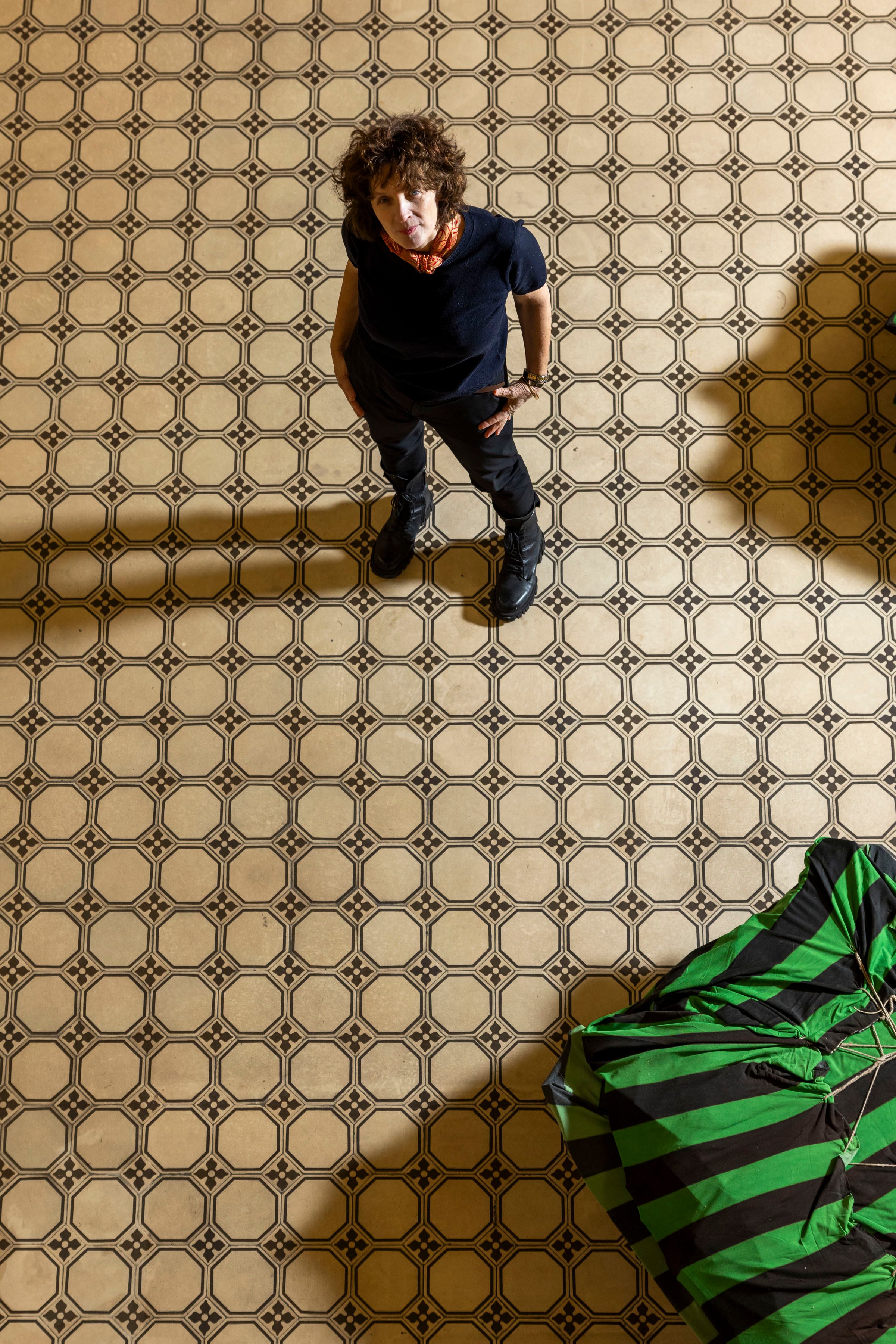
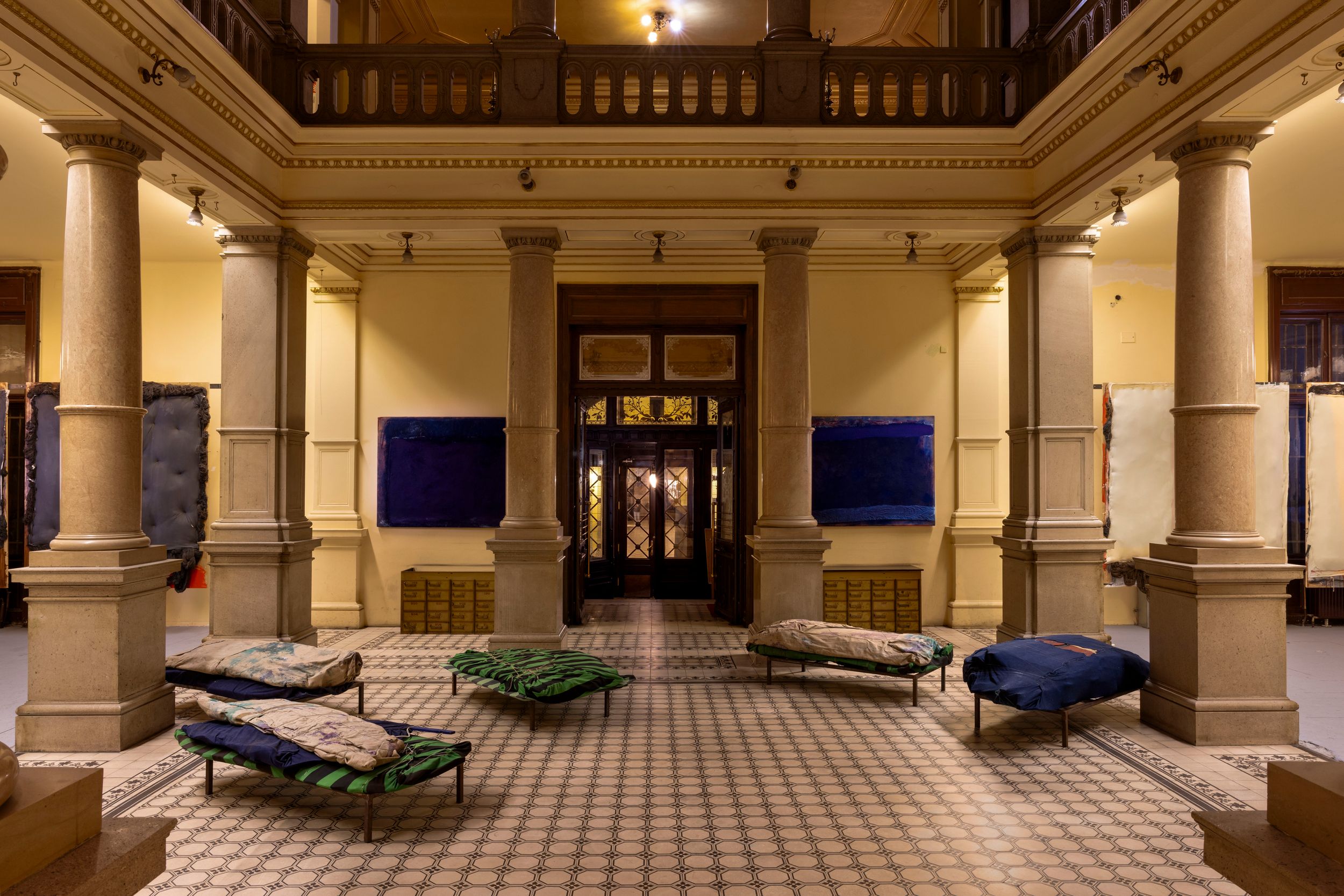
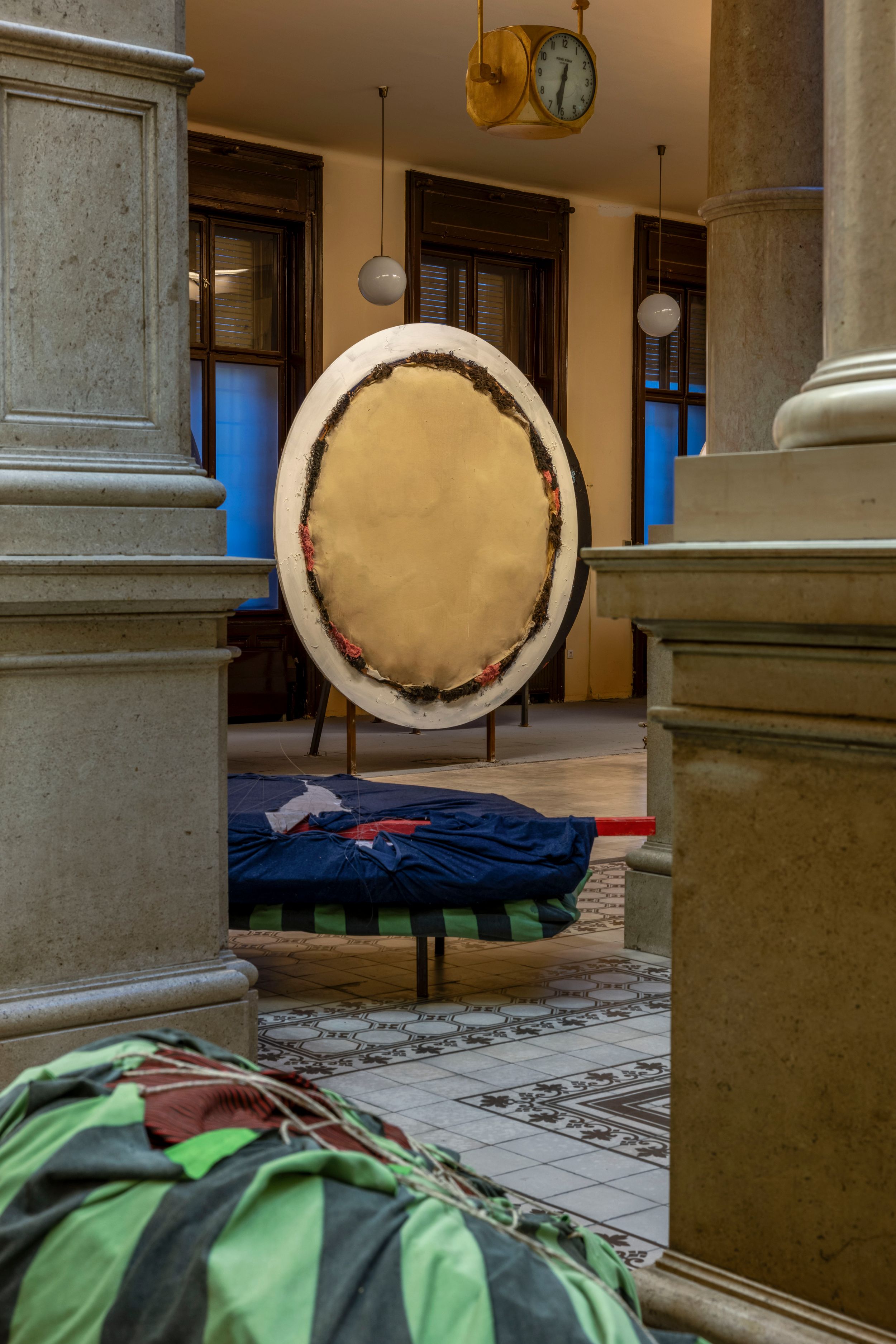
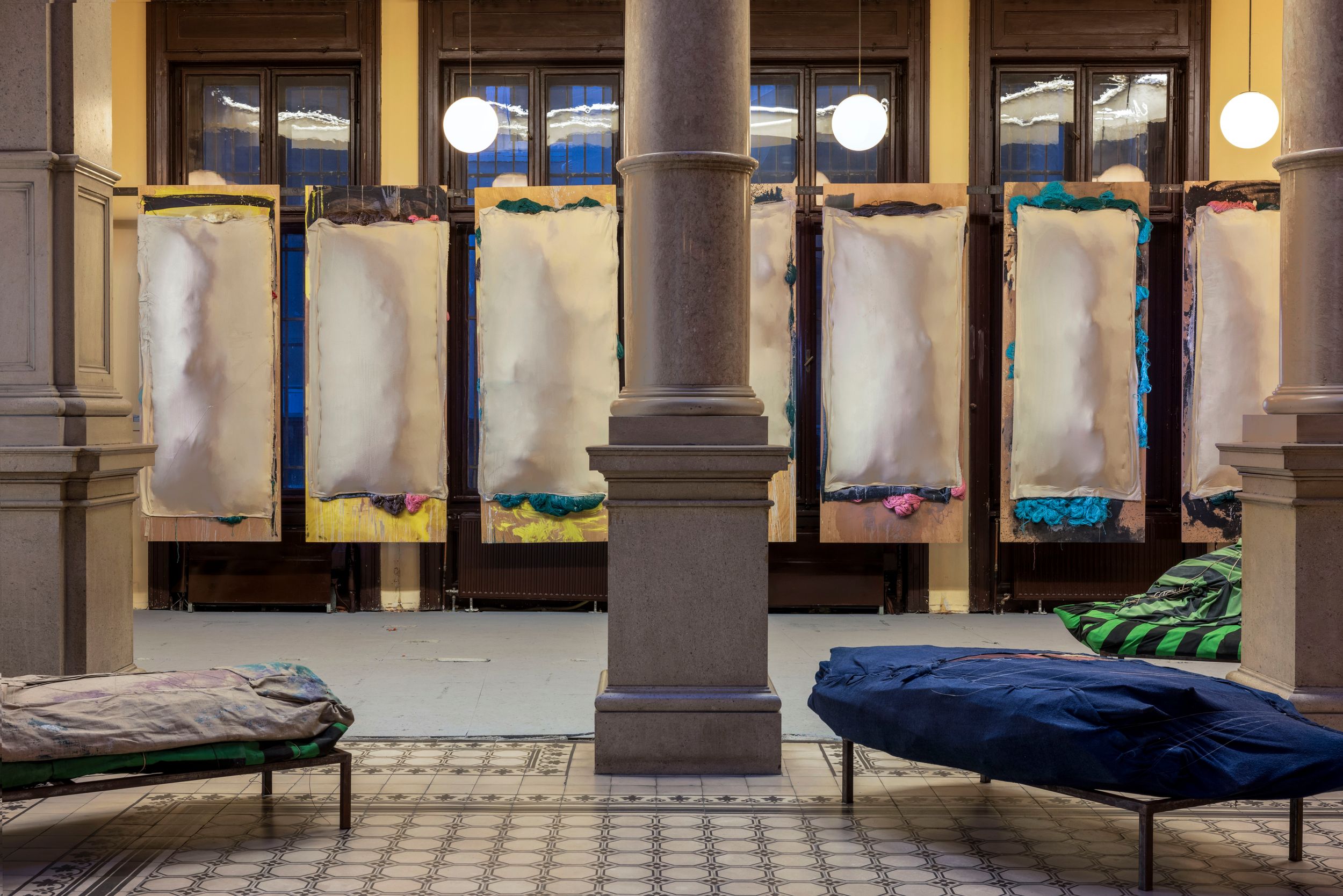
I met Dube in 2016 or maybe 2017… honestly, I can’t remember exactly. Those were years when I was constantly running, as always, between events, daughters, home, husband, work, life. Everything moved fast, like I was living in a permanent rush. It was Kike who asked me to take some photos of Dubravka Lošić.
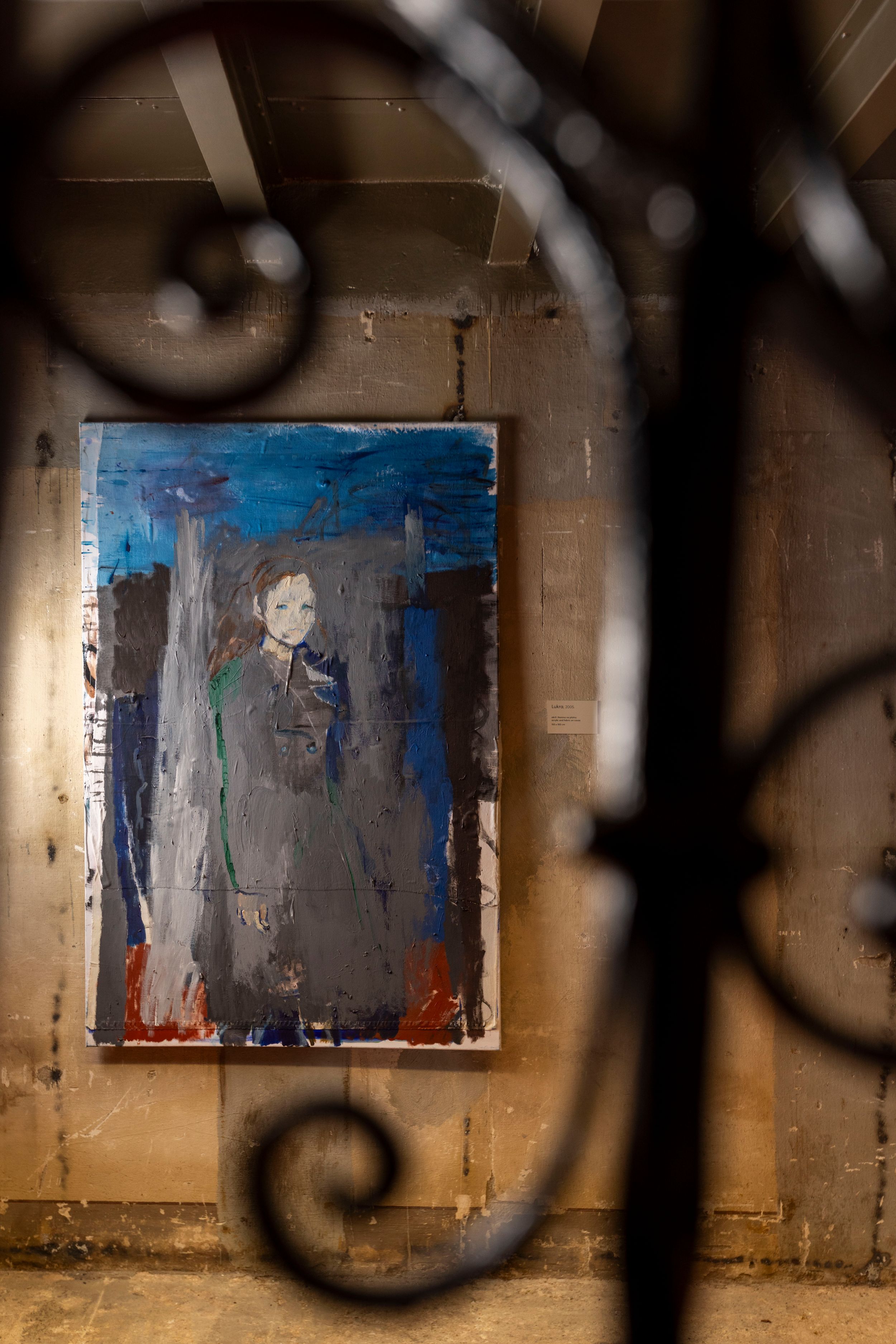
I remember liking her immediately as a person. At that time, I didn’t know much about her work. I knew she made these fabric roses, which I had seen at St. Peter’s Church, a place that feels familiar to me because my husband grew up there. Later, I found out the new priest had removed her work to put up the nativity scene. These things happen.
More than trying to intellectually understand her art, what truly drew me in was her connection to the materials she worked with. There was something deeply intimate in the way she approached them, as if she was in conversation with every texture, every fabric, every thread. And so, in the middle of my busy and chaotic days, arriving at her studio felt like stepping into another dimension. A pause in time. Everything slowed down. It was as if nothing existed outside those walls: no to-do lists, no noise, no clocks. Just her, her work, and the sound of water running through the drains from the bakery upstairs. A constant, almost hypnotic sound that I can still hear in my memory.
I simply observed and captured. Photographing not only what she made, but who she was.
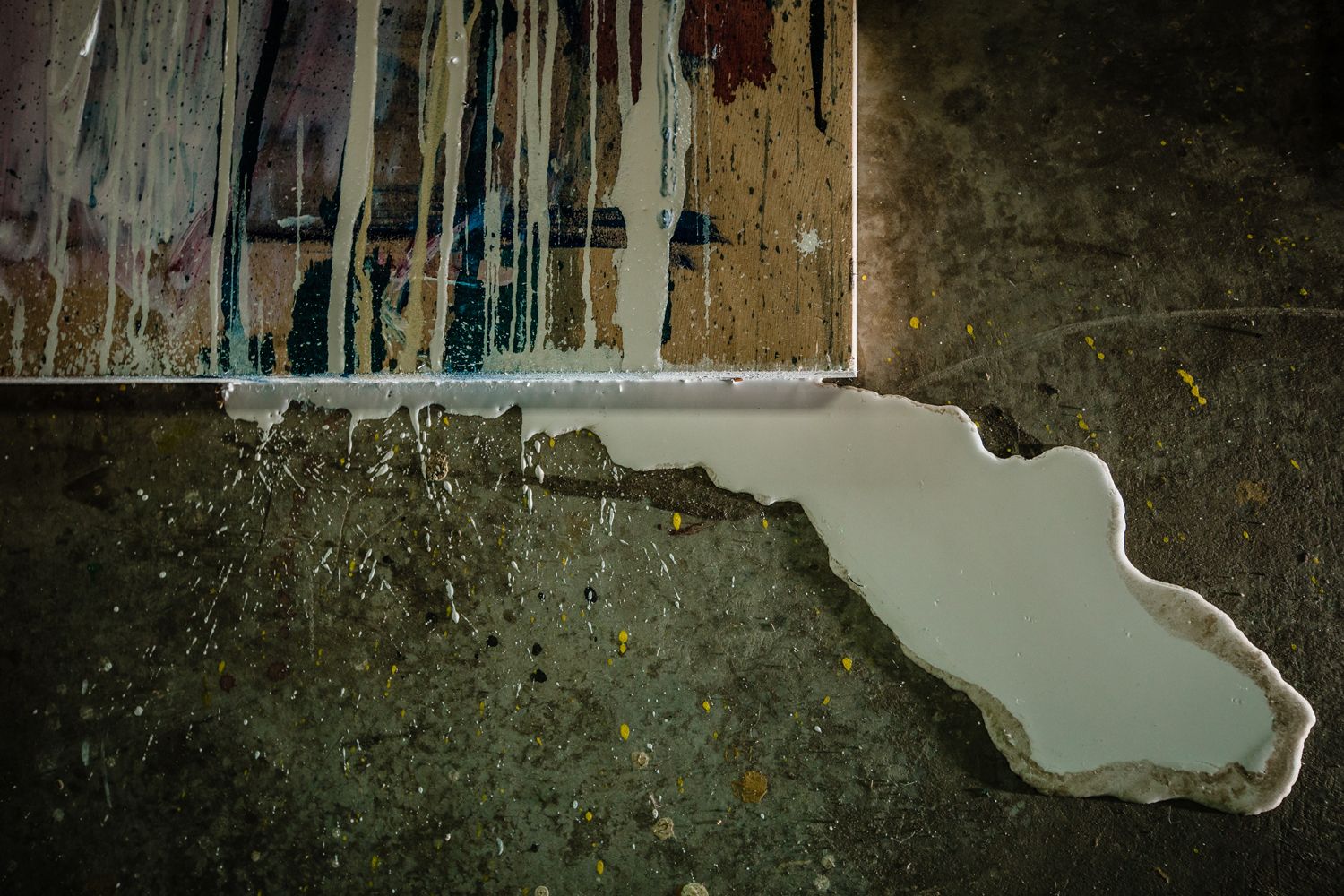
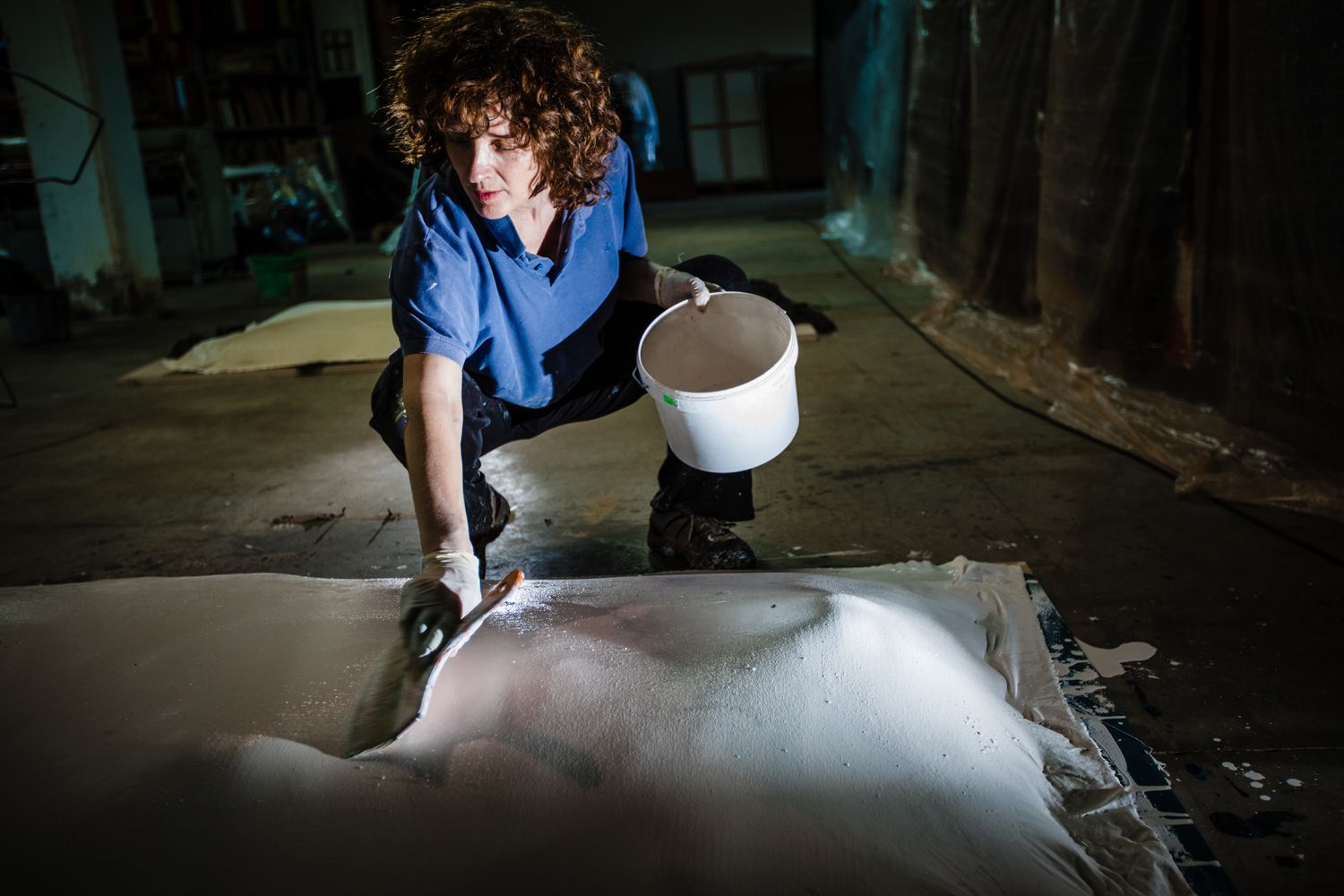
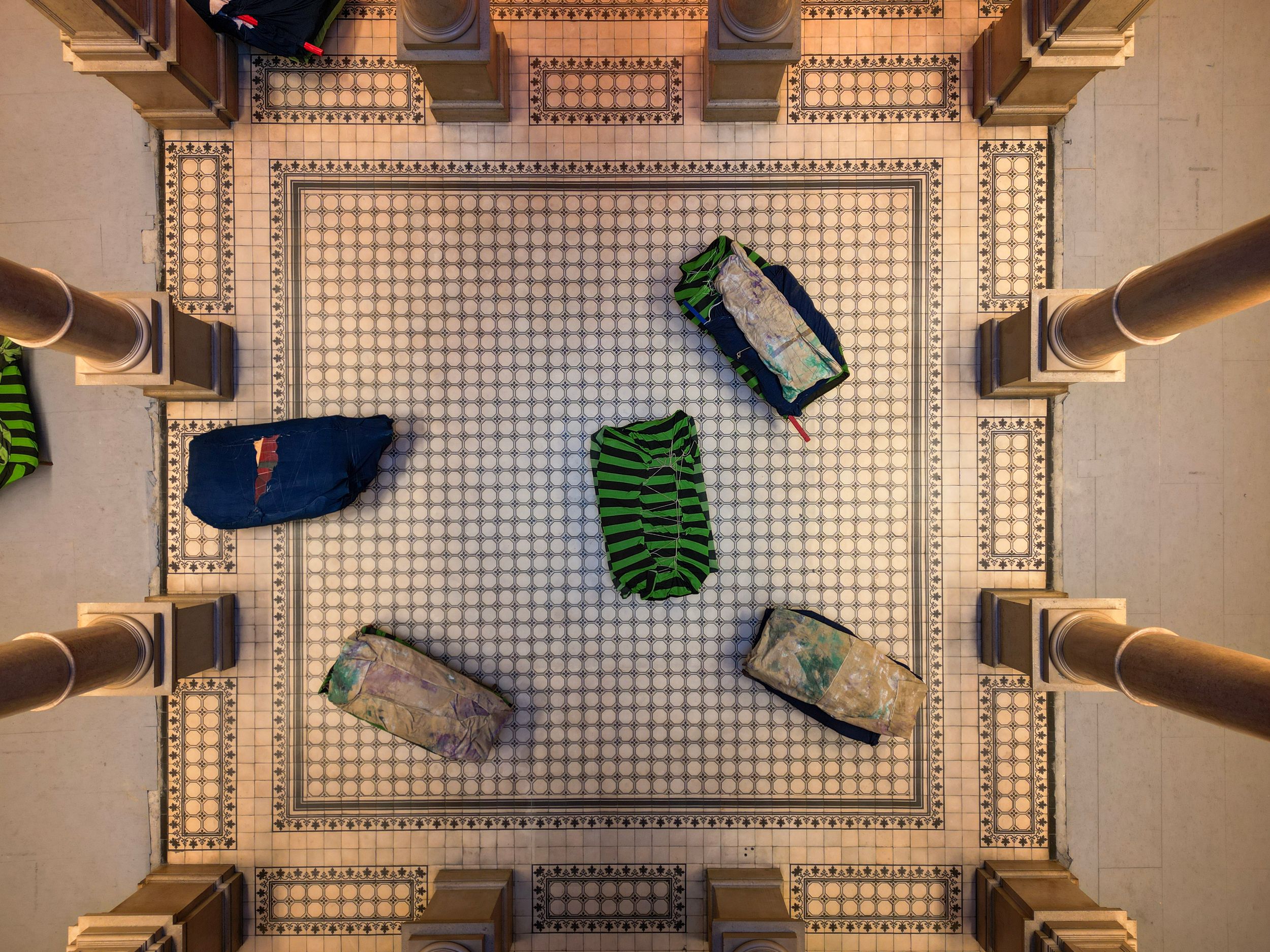
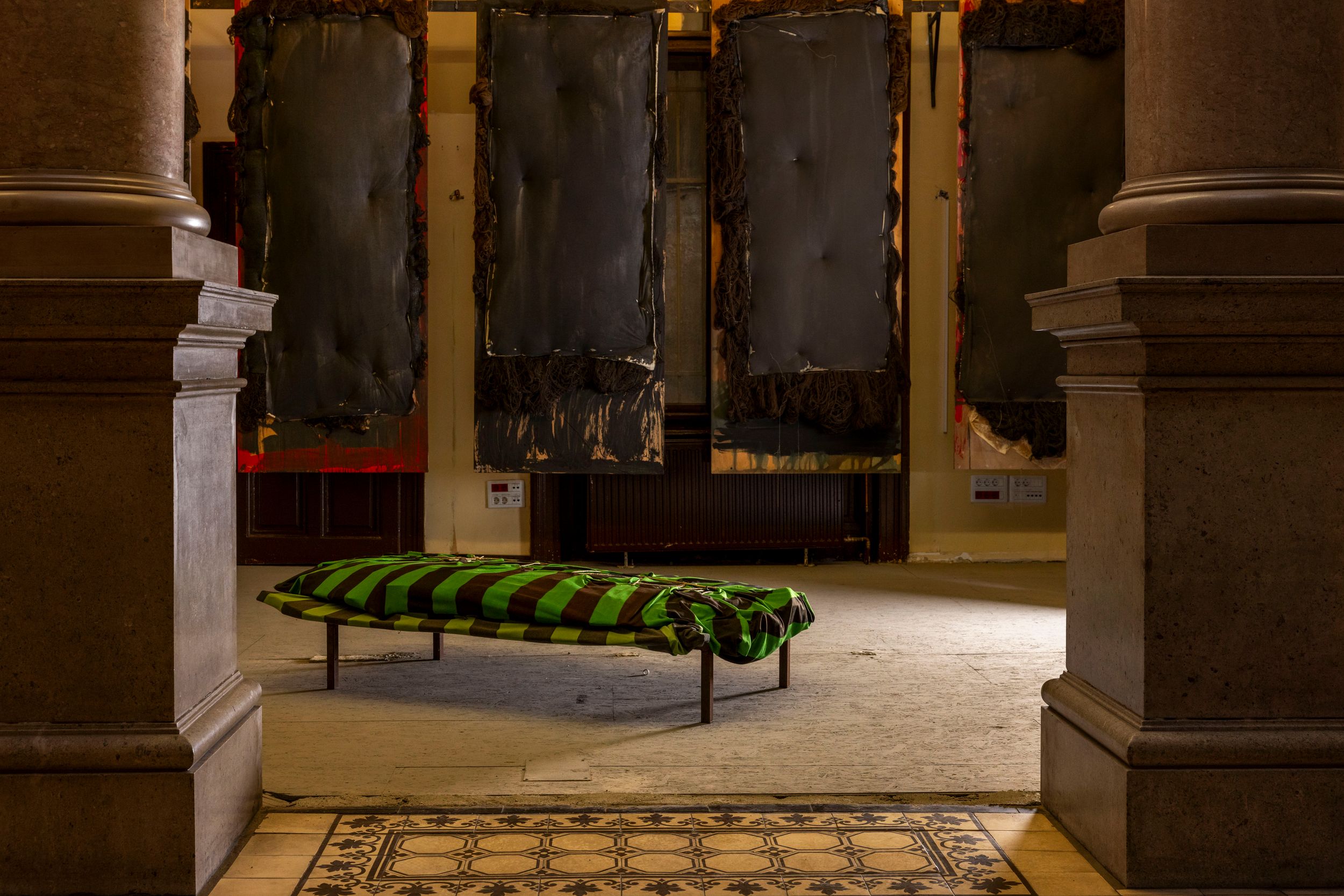
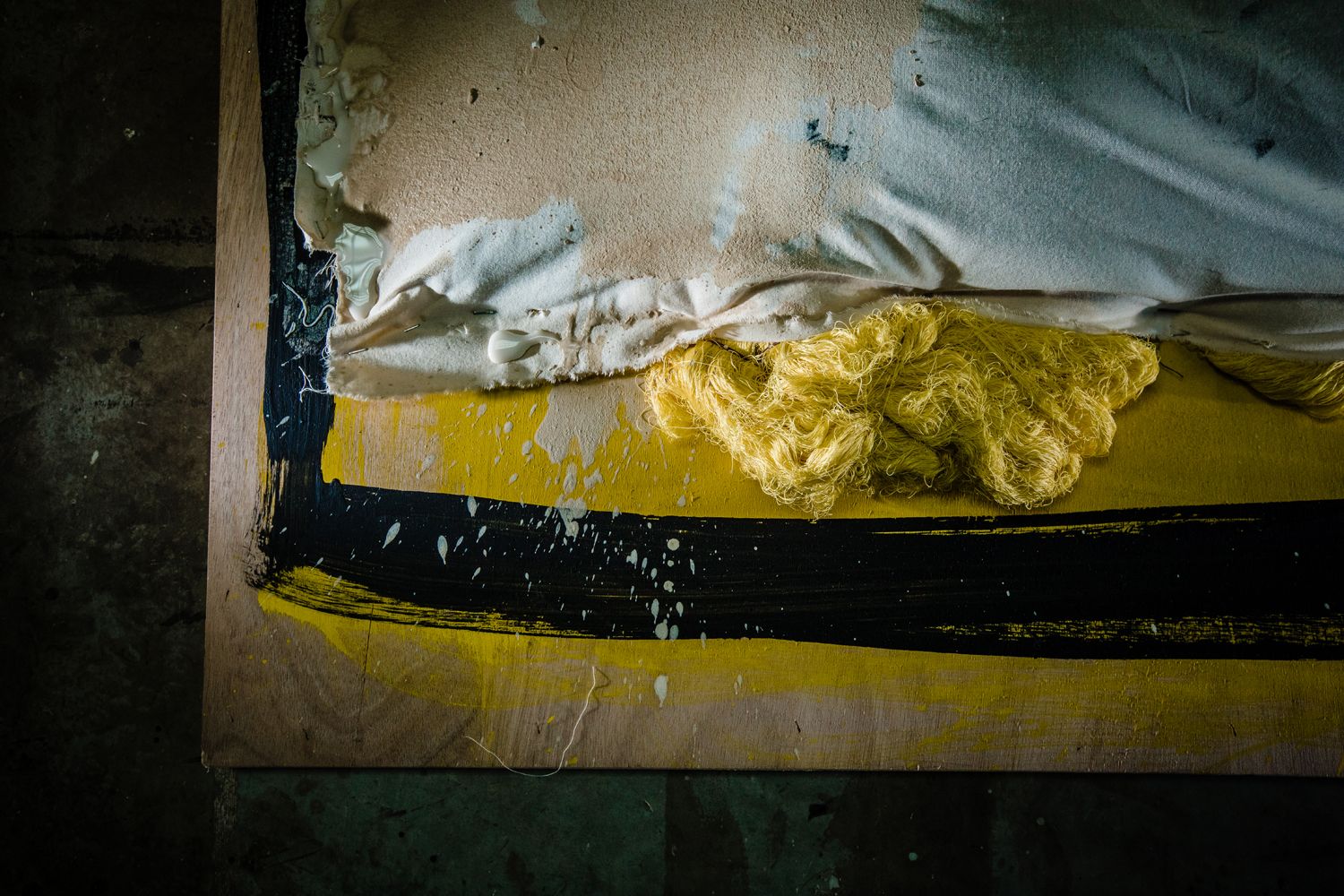
In 2019, she was working on Alba Albula. I remember every piece spread across the floor wooden boards covered with wool that had once been used by her father in his own work. Dube has such a deep connection with her father, and you could feel that presence in the room. It didn’t need to be spoken.
There were also these white sheets wrapping shapes, bundles, almost bodies. I was photographing the moment while she worked in an almost perpetual silence. And at some point, I remember a cold thought crossing my mind. Years later, I thought about it again , almost as if the pandemic was approaching.
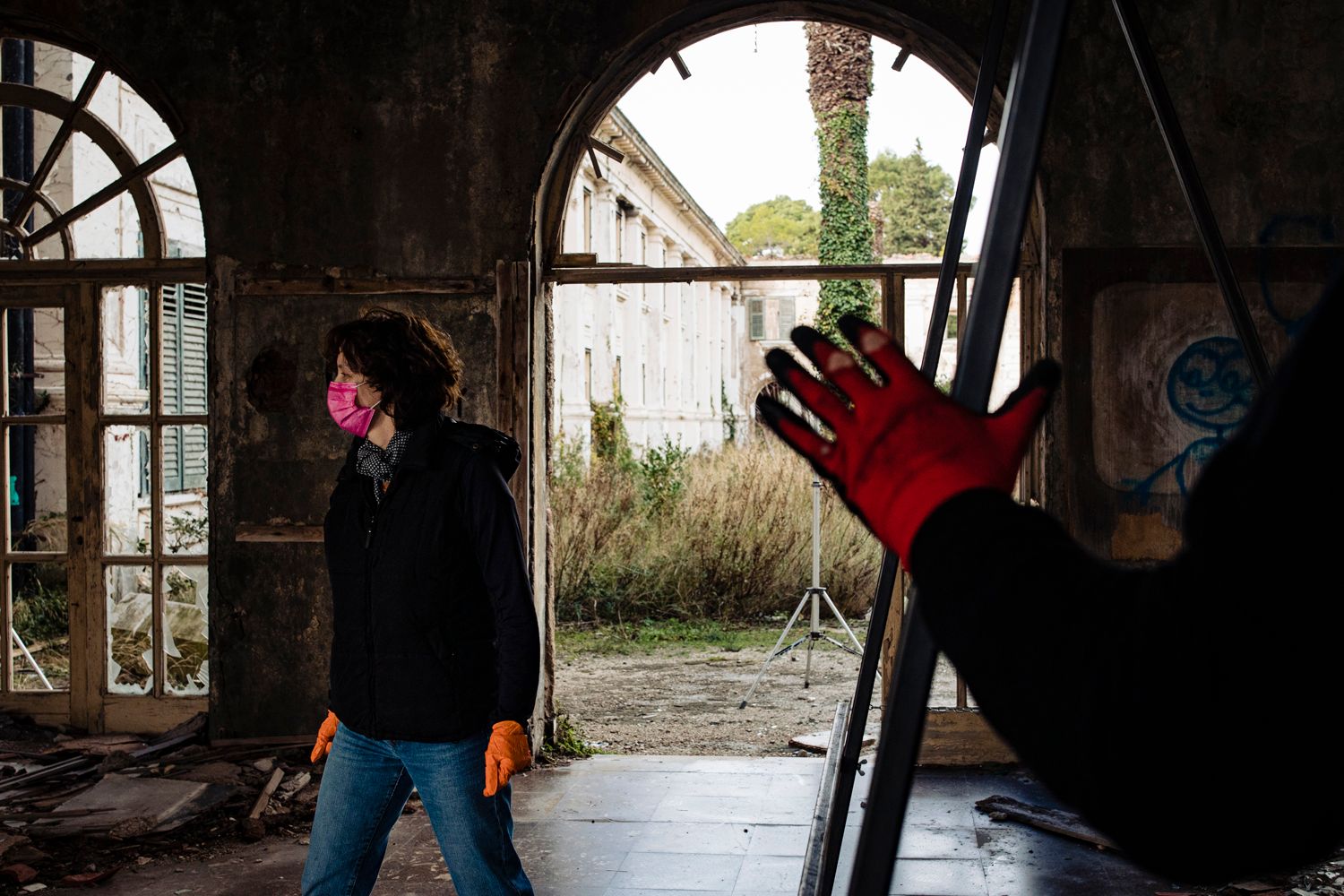
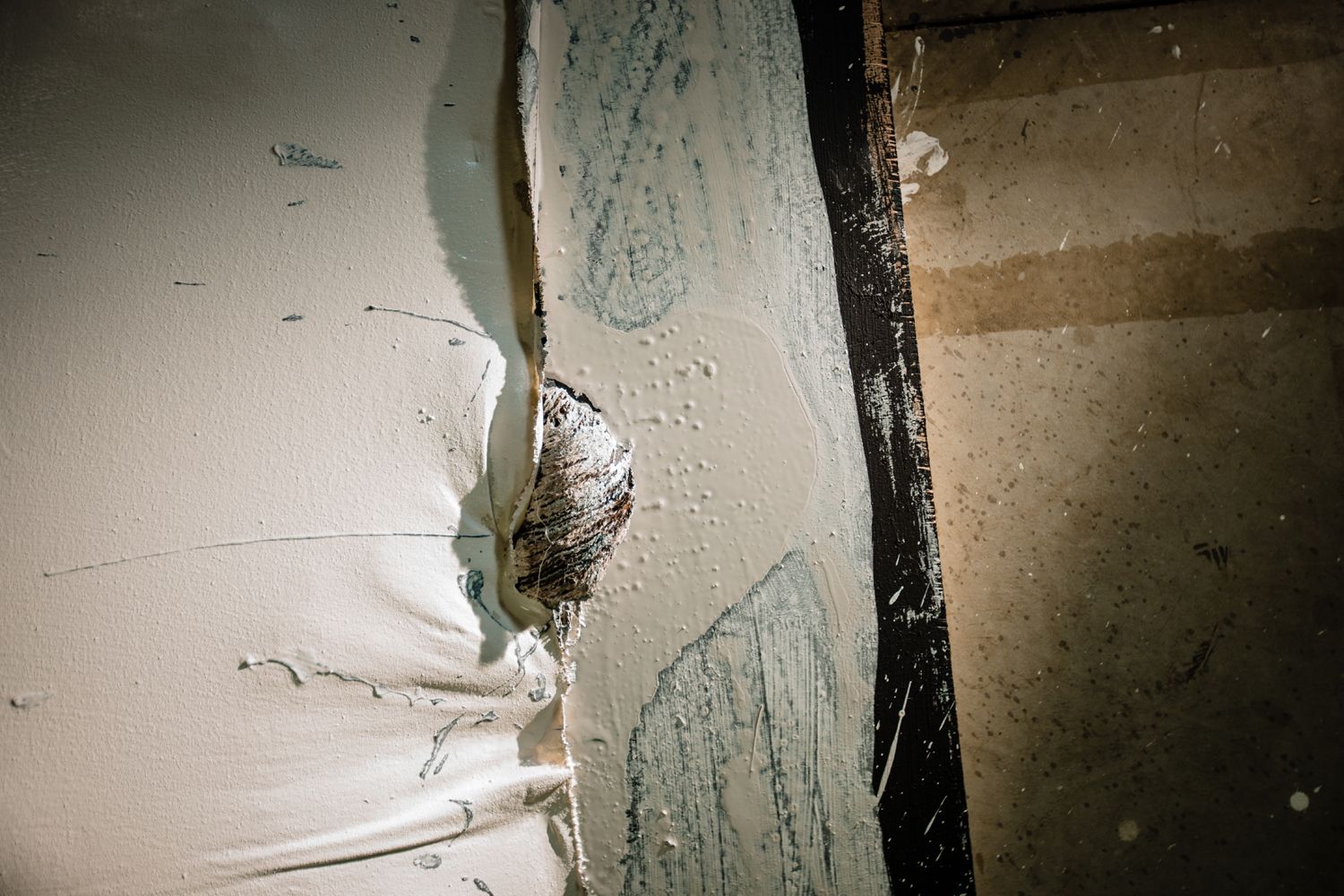
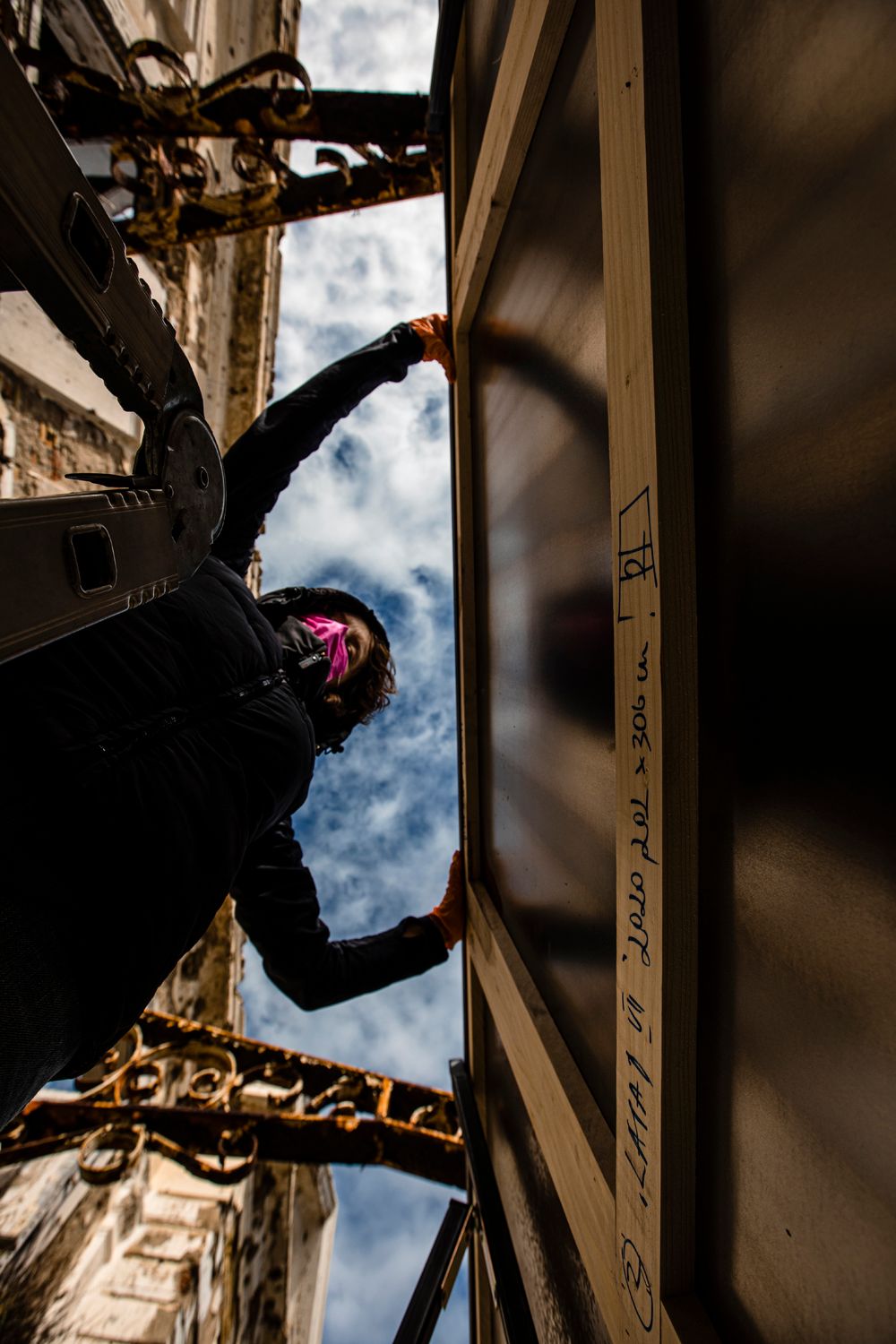
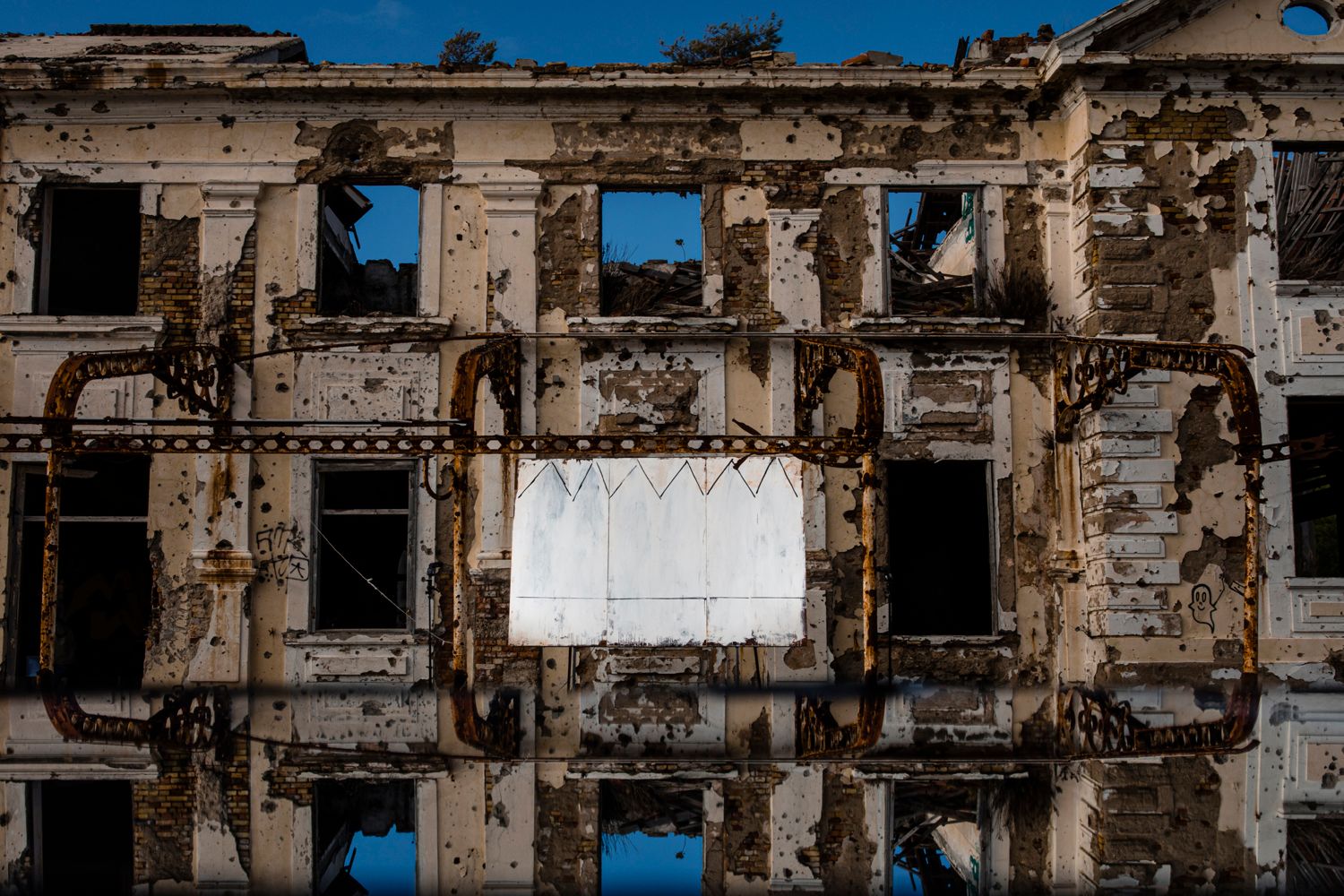
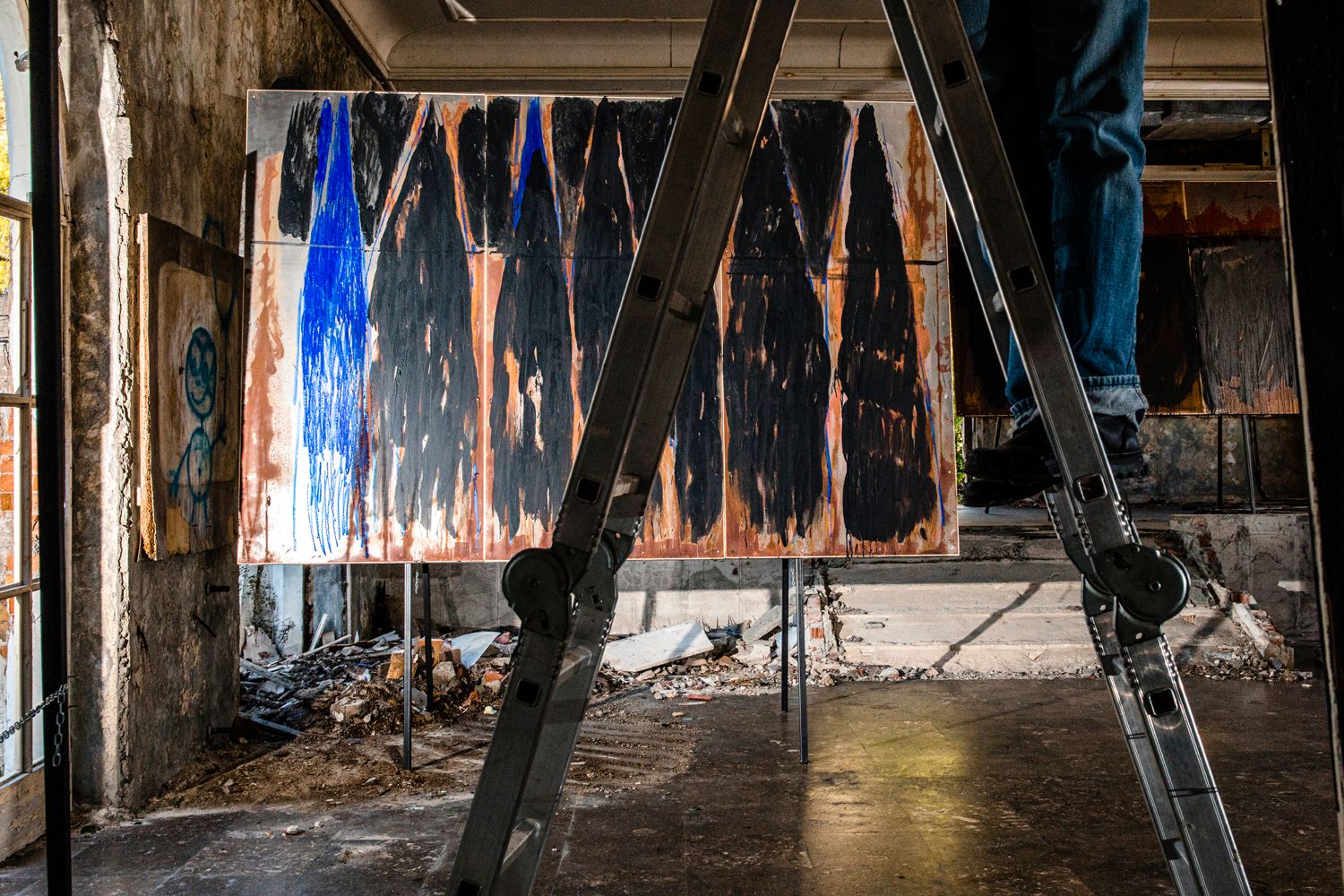
During that time, she also presented Lapad. It was an exhibition without an audience; photographs and video became the witnesses of that moment. Set in the ruins of Kupari, a place carrying so much of its own history, almost like another character in the work itself.
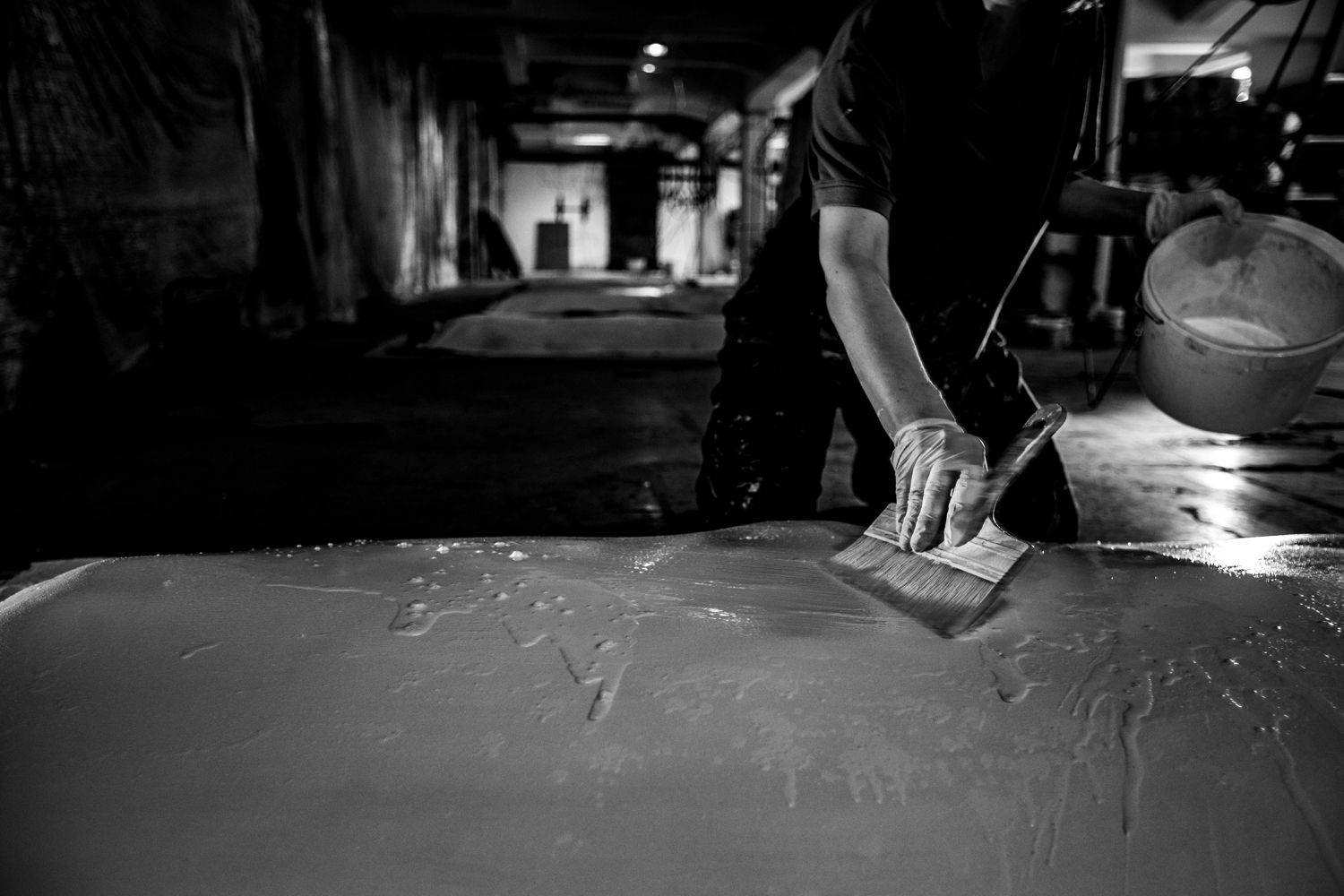

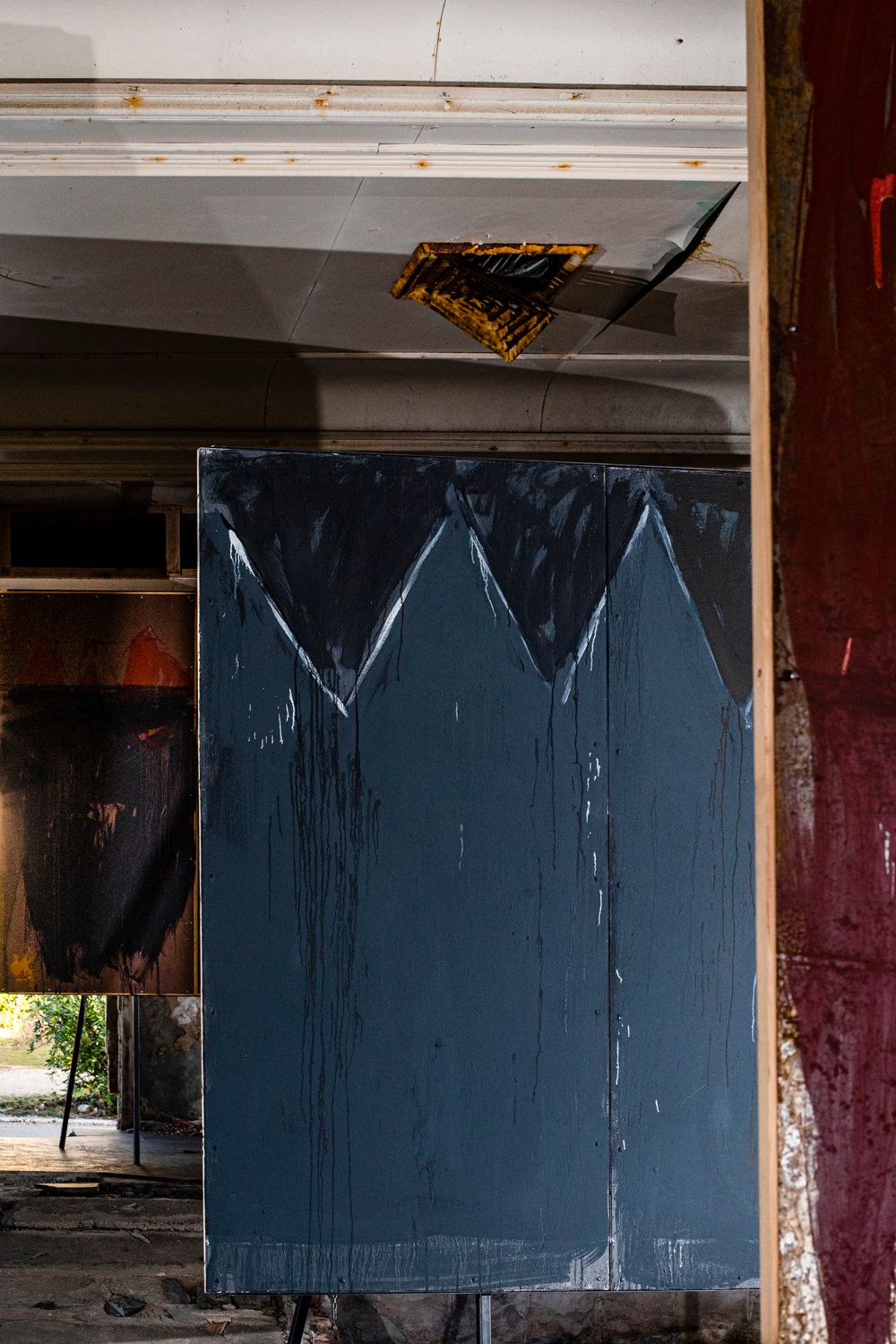
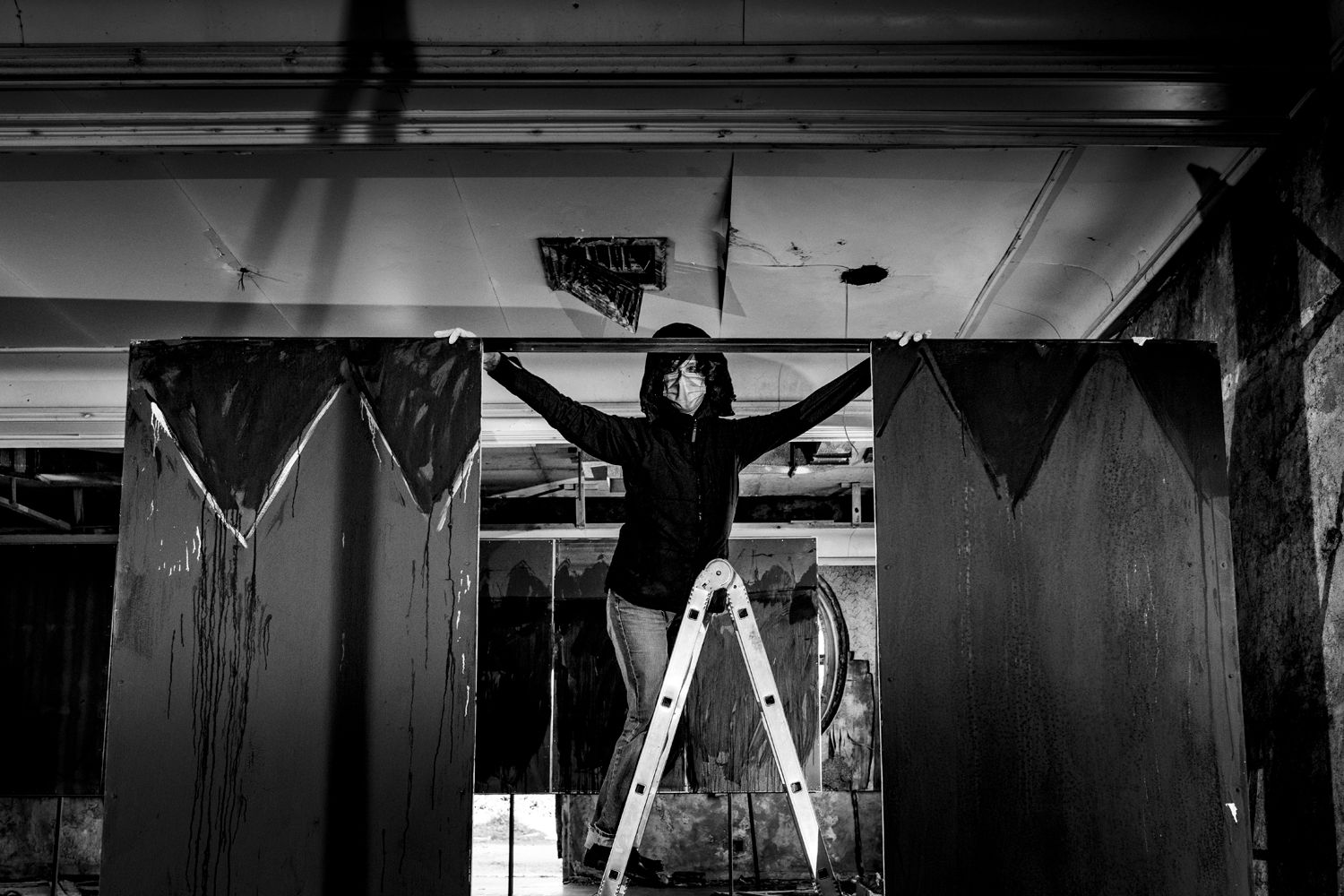
I’ve always deeply admired her dedication. Her commitment to what she creates, regardless of what others may think. She is a strong woman. It could not have been easy to break certain rules in such a classical and traditional place.
And then there is her devotion to detail. The kind of detail many people dismiss with, “don’t worry, only you notice that.” But details do matter. Because Dube doesn’t make art for others first, she makes it for herself. And when you create from that place, details absolutely matter.
So seeing her now in Venice makes me incredibly proud. The same city that amazed her when she was young with all the soul it carries, and where she now returns at 61, at the 61st Biennale.
Very well deserved.
Wishing you all the best, Dube.
And here I am, as always, ready to keep capturing your work.
Vero